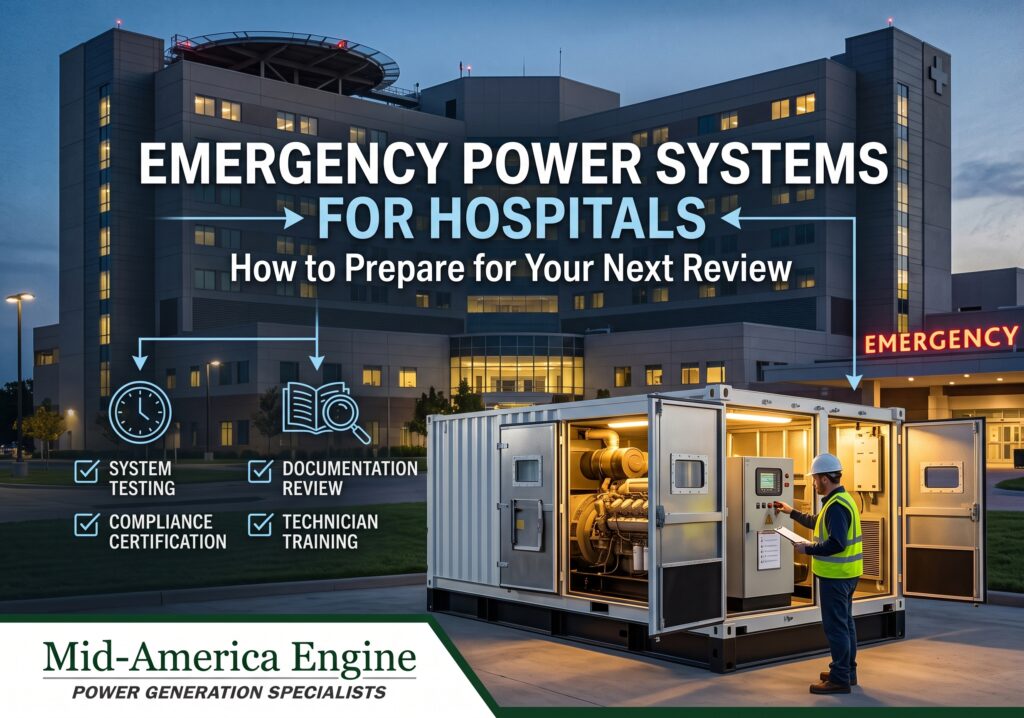
For hospital administrators, facility managers, healthcare engineers, compliance teams, and operations leaders, an emergency power review is more than a documentation exercise. It is an evaluation of whether the hospital can protect patients, maintain essential operations, and respond effectively when normal utility power is interrupted.
Surveyors and accrediting organizations typically want to see two things:
- A dependable emergency power system that is properly maintained and tested.
- Clear evidence that the hospital understands its system, its risks, and its response procedures.
This guide provides a practical framework for preparing for an inspection or accreditation review. Requirements vary by facility, jurisdiction, accrediting organization, adopted code edition, and system design. Use this information as a planning aid, then confirm current requirements with your Authority Having Jurisdiction (AHJ), accrediting organization, engineer of record, CMS, and applicable standards.
Start With a Complete System Inventory
Before reviewing test records, confirm that your emergency power documentation matches the equipment installed at the hospital.
Your inventory should identify:
- Generator sets, including manufacturer, model, serial number, kW rating, voltage, fuel type, and location
- Automatic transfer switches (ATS)
- Switchgear, distribution equipment, and protective devices
- Uninterruptible power supply (UPS) and stored emergency power supply systems (SEPSS)
- Fuel tanks, day tanks, pumps, piping, and fuel controls
- Battery systems and chargers
- Exhaust, ventilation, cooling, and environmental-control equipment
- Remote monitoring, annunciators, and alarm pathways
- Essential electrical system branches and connected critical loads
Keep current one-line diagrams, equipment schedules, panel directories, and as-built drawings with the inventory. Confirm that labels in the field match the records.
A system inventory should also show which loads are served by the emergency system. Depending on facility design and applicable requirements, that may include life-safety systems, critical patient-care areas, operating rooms, intensive care units, nurse call systems, medical support systems, communications, elevators, fire protection systems, and selected HVAC or equipment loads.
FEMA’s Healthcare Facilities and Power Outages guide emphasizes the importance of understanding both the loads supported by standby power and the loads that are not. That distinction matters during an outage, a review, and a future capacity project.
Build a Review-Ready Documentation Package
A surveyor should not have to search through disconnected work orders, email attachments, and paper binders to understand your emergency power program.
Create a centralized review package organized by asset and reporting period. Include:
- Current emergency power policies and procedures
- Equipment inventory and one-line diagrams
- Preventive maintenance schedules
- Weekly inspection records
- Monthly generator test reports
- ATS functional test records
- Annual maintenance and inspection reports
- Load-bank test reports
- Fuel quality laboratory reports
- Fuel delivery contracts and runtime calculations
- Alarm and remote-monitoring records
- Corrective-action logs
- Retest results following repairs
- Staff training and competency records
- Emergency exercises, drills, and after-action reports
- Vendor service reports and commissioning documentation
Each test record should clearly identify the equipment tested, date, start and stop time, test type, duration, load level, operating readings, deficiencies, corrective actions, and final disposition.
If a test failed, document more than the repair invoice. Show:
- What failed.
- What temporary protections were implemented.
- Who was notified.
- When the repair was completed.
- What retest confirmed the system was restored.
The American Society for Health Care Engineering (ASHE) recommends managing hospital emergency power as an integrated program that includes testing, operation, maintenance, vulnerability mitigation, planning, and staff education.
Verify Generator and ATS Maintenance
A generator is only one part of the emergency power system. A healthy engine cannot compensate for an unreliable ATS, weak starting batteries, failed controls, poor fuel quality, or an overloaded distribution system.
Review the preventive maintenance history for each generator and ATS. Confirm that the schedule reflects:
- Manufacturer recommendations
- Applicable NFPA requirements
- CMS conditions, where applicable
- Accrediting organization standards
- AHJ requirements
- The hospital’s documented risk assessment
Generator maintenance commonly includes inspection or service of:
- Engine oil and filters
- Coolant and cooling system
- Fuel filters and supply system
- Belts, hoses, and clamps
- Starting batteries and chargers
- Governor and voltage-regulation systems
- Alternator and electrical connections
- Exhaust system
- Jacket-water heaters
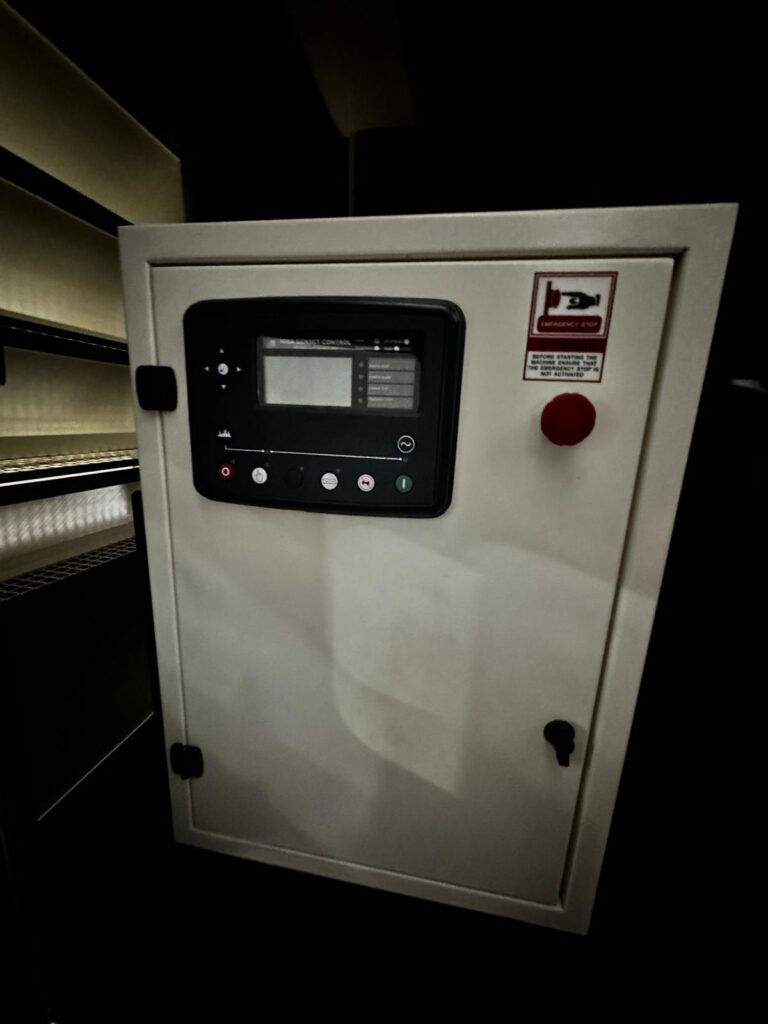
- Control panels and annunciators
- Enclosures, louvers, and ventilation
- Emergency stop circuits
ATS maintenance should receive the same attention. Verify that the switch transfers from normal to emergency power and returns to normal power as intended. Review sensor settings, time delays, mechanical and electrical interlocks, contacts, terminals, and control wiring.
MAE provides generator maintenance and service support, including preventive care, load-bank testing, turnkey installations, and emergency support. Our engineering-driven approach helps identify system weaknesses without recommending equipment or work you do not need.
Confirm Transfer-Time and Load-Test Results
Hospitals should be able to demonstrate how their emergency power system performs under actual operating conditions.
Review records for:
- Generator start time
- ATS transfer time
- Voltage and frequency stabilization
- Load acceptance
- Return transfer to utility power
- Cooldown operation
- Alarm activation
- Abnormal operating conditions
- Manual and automatic operating modes
For many hospital systems, a transfer-time objective is associated with the system’s Type 10 classification. However, the applicable classification, testing method, and acceptance criteria must be confirmed for the specific facility and adopted standards.
Load-bank testing is especially important when normal hospital loads do not place enough demand on the generator. A test report should identify the applied load in kW and as a percentage of nameplate capacity, test duration, voltage, frequency, temperatures, pressures, and any abnormalities.
Joint Commission guidance addresses generator testing intervals and triennial testing for applicable hospitals. Its official Environment of Care FAQ should be reviewed alongside the standards and requirements applicable to your organization.
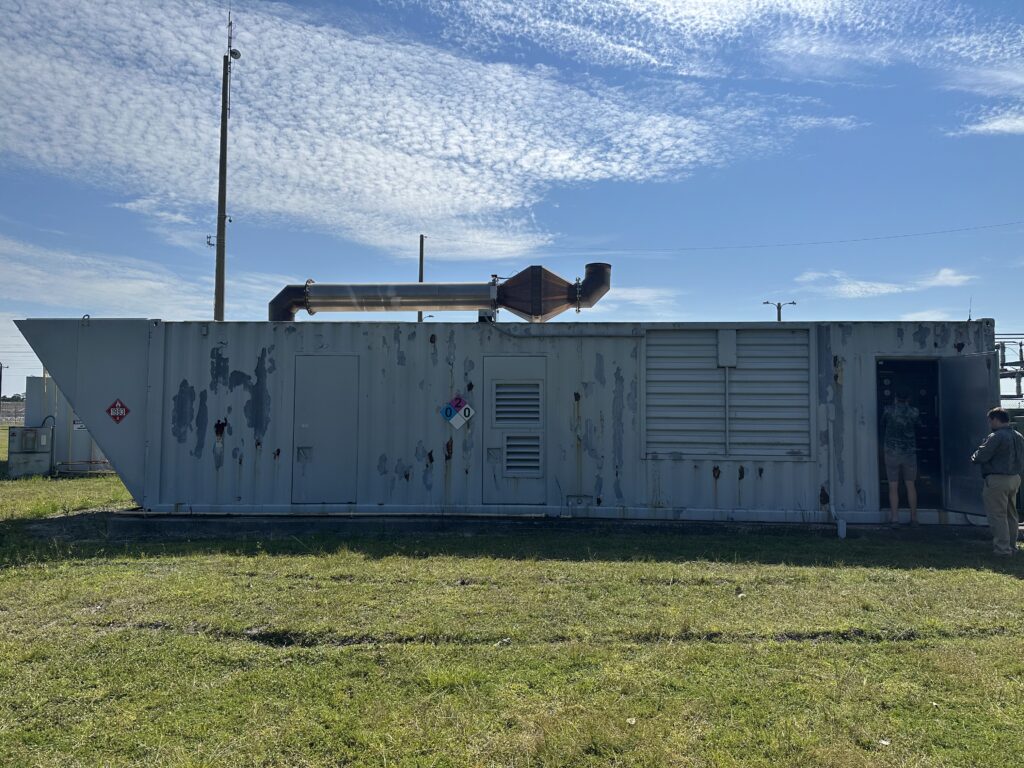
Document Fuel Quality and Runtime Capability
Fuel records should answer a straightforward question: How will the hospital sustain essential operations during an extended outage?
Maintain documentation for:
- Tank capacity and usable volume
- Generator fuel-consumption rates
- Runtime calculations at anticipated load
- Low-fuel alarm setpoints
- Fuel polishing or filtration
- Water and sediment inspections
- Microbial contamination testing
- Fuel sampling and laboratory results
- Fuel delivery agreements
- Emergency fuel vendor contacts
- Delivery trigger points
- Refueling access and safety procedures
Do not rely on tank size alone. Runtime depends on the number of generators operating, actual load, fuel consumption, tank configuration, reserve capacity, fuel quality, and the availability of resupply.
CMS emergency preparedness planning may involve the ability to sustain operations or evacuate for an extended period, while NFPA classifications and state or local requirements may establish additional expectations. These are not interchangeable concepts. Confirm the specific requirement with the AHJ and accrediting organization.
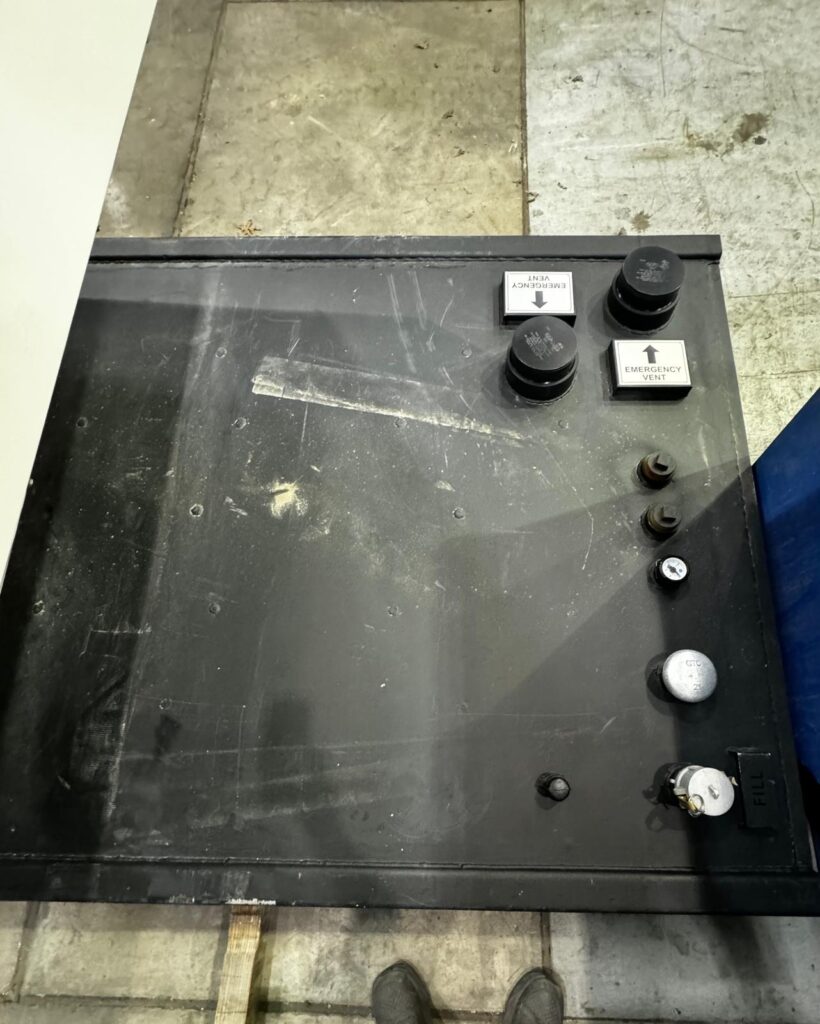
Review Alarms, Monitoring, and Staff Procedures
An alarm that no one receives is not an effective alarm system.
Test and document alarm notification for conditions such as:
- Failure to start
- Emergency stop activation
- Low fuel
- Low coolant
- Low oil pressure
- High engine temperature
- Battery charger failure
- ATS failure to transfer
- Generator breaker trip
- Overcrank
- Overspeed
- Common alarm
- Remote-monitoring communication loss
Identify who receives each alarm during normal operating hours, nights, weekends, and holidays. Verify escalation procedures and contact information.
Staff procedures should explain what happens when:
- Utility power fails
- The generator does not start
- The ATS does not transfer
- A generator is taken out of service
- Fuel levels fall below the response threshold
- Load shedding is required
- Emergency repair support is needed
- The hospital must operate under reduced power
- Evacuation or relocation decisions become necessary
Training records should identify the employees trained, subjects covered, training dates, and competency validation. Include facilities staff, operators, emergency-management personnel, and other teams with responsibilities during a power event.
Conduct a Mock Review Before the Survey
A practical mock review should begin with a simple request: “Show me the emergency power system records.”
Your team should be able to retrieve the following without delay:
- Current system inventory
- Emergency power policies
- Recent weekly and monthly test records
- Load-bank test documentation
- ATS maintenance records
- Fuel quality and runtime documentation
- Alarm-monitoring history
- Open corrective actions
- Retest results
- Staff training records
- Emergency exercise documentation
Walk the system with your facilities and compliance teams. Check for blocked access, missing labels, visible leaks, deteriorated batteries, unsecured equipment, poor housekeeping, expired contact lists, and discrepancies between field conditions and drawings.
The goal is not to predict a surveyor’s exact questions. The goal is to demonstrate that the hospital understands its emergency power system and actively manages its reliability.
Prepare With an Engineering-Driven Partner
Mid-America Engine has more than 40 years of experience supporting organizations where downtime is not an option. We provide emergency power systems for hospitals, turnkey installations, generator maintenance services, load-bank testing, rental options, and long-term support.
Our inventory includes new and used industrial diesel and natural gas generators in stock and ready to ship, along with transfer switches, fuel tanks, alternators, enclosures, switchgear, and other supporting equipment. View the available generator sets or parts and accessories currently offered by MAE.
If your next review is approaching, start with the records, then verify the equipment behind them. Contact Mid-America Engine for a system review or quote. We will provide an honest recommendation based on your facility’s actual requirements: never an oversold solution.