


Industrial engines rarely fail without warning. Most breakdowns are the result of predictable issues that build up over time due to poor maintenance, incorrect sizing, operator misuse, or environmental stress. The cost of failure is never just the repair. It’s lost production, missed deadlines, safety risk, and emergency replacement expenses.
This guide explains the most common causes of industrial engine failures and, more importantly, how to prevent them with proven, real-world practices.
1. Poor Lubrication and Oil Neglect
Lubrication failure is the leading cause of premature engine failure across industrial applications.
Using the wrong oil grade, extending oil change intervals too far, or ignoring oil filter replacements leads to accelerated wear on bearings, camshafts, pistons, and crankshafts. Low oil pressure or contaminated oil causes metal-to-metal contact that permanently damages internal components.
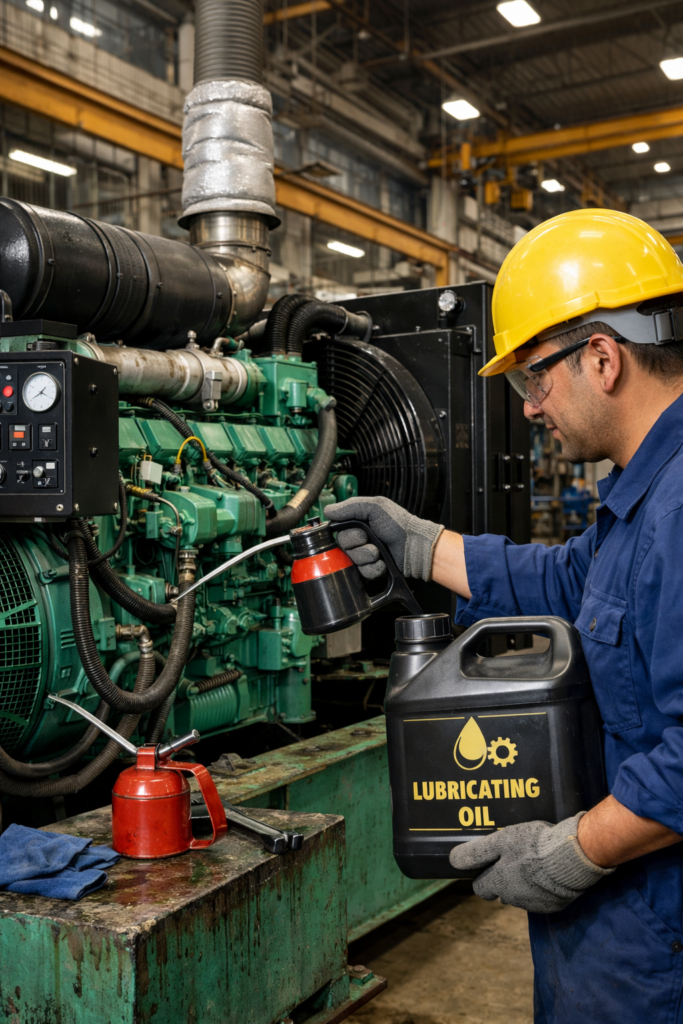
Prevention starts with following manufacturer oil specifications, changing oil strictly by operating hours, replacing filters every time, and investigating pressure drops immediately. For critical engines, oil analysis provides early warning of wear, fuel dilution, or coolant contamination.
2. Overheating Due to Cooling System Failures
Heat destroys engines faster than almost anything else.
Clogged radiators, low coolant levels, degraded coolant chemistry, leaking hoses, and failed thermostats all contribute to overheating. Even short overheating events can warp cylinder heads, damage head gaskets, and crack engine blocks.
Prevent overheating by keeping radiators clean, inspecting belts and hoses regularly, maintaining proper coolant mixtures, and flushing cooling systems at recommended intervals. Never ignore temperature warnings, even if the engine appears to be running normally.
3. Dirty Air Intake and Filtration Problems
Engines are precision machines that cannot tolerate dirt.
Poor air filtration allows dust and debris to enter the combustion chamber, where it acts like sandpaper on pistons, rings, and cylinder walls. This type of damage is irreversible and shortens engine life dramatically.
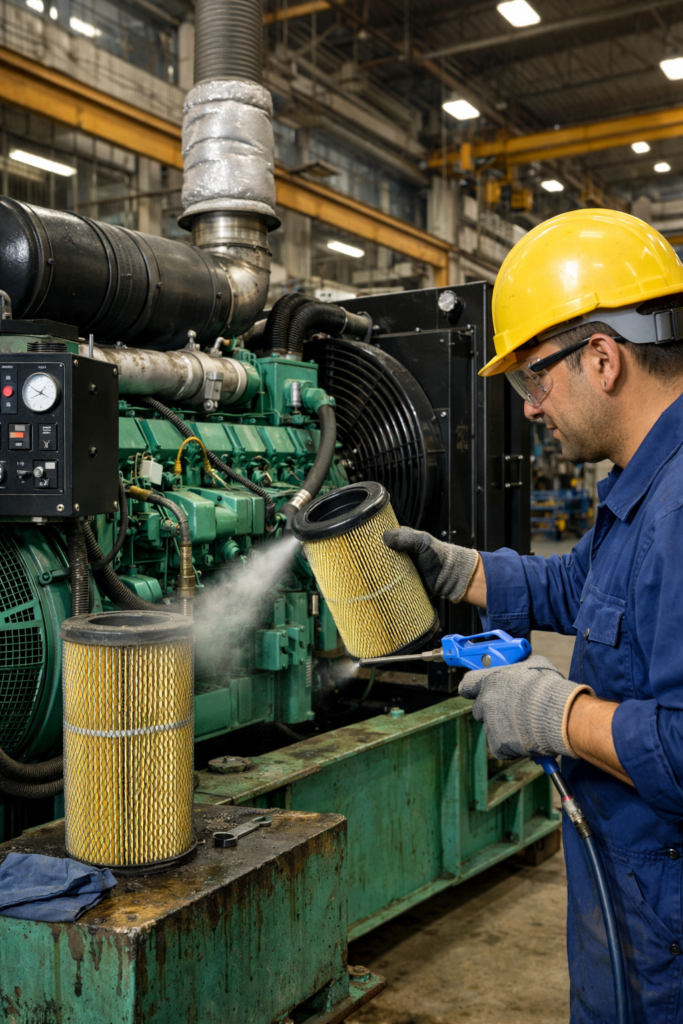
Prevent air-related failures by inspecting filters frequently, replacing them before they become clogged, sealing intake systems properly, and avoiding compressed air cleaning on dry paper filters.
4. Fuel Contamination and Injector Damage
Modern industrial engines rely on precise fuel delivery. Contaminated fuel causes expensive failures.
Water, dirt, microbial growth, and poor fuel quality damage injectors, fuel pumps, and rails. Even small amounts of contamination can reduce performance and cause hard starting, misfires, or complete failure.
Use clean fuel from reliable sources, drain water separators regularly, replace fuel filters on schedule, and store fuel properly to prevent moisture intrusion and biological growth.
5. Improper Engine Sizing and Load Mismatch
An engine that is incorrectly sized for its application will fail early, no matter how well it is maintained.
Undersized engines run at high load constantly, causing excessive heat, stress, and wear. Oversized engines often operate at low load, leading to poor combustion, carbon buildup, and emissions system problems.
Proper engine selection based on real duty cycle, torque requirements, and operating environment is one of the most effective ways to prevent long-term failures.
6. Emissions System Mismanagement
Modern emissions systems are reliable when used correctly and problematic when misused.
Excessive idling, light-load operation, or incorrect duty cycles prevent proper regeneration, leading to clogged filters, derates, and shutdowns. Ignoring warning codes often turns minor issues into major failures.
Prevent emissions-related failures by matching engines to correct duty cycles, minimizing unnecessary idling, and addressing fault codes promptly.
7. Lack of Preventive Maintenance Discipline
Reactive maintenance costs more than preventive maintenance. Every time.
Skipping inspections, delaying service, and “running it until it breaks” almost guarantees unexpected downtime. Small issues like loose belts, minor leaks, or early bearing noise often escalate into catastrophic failures when ignored.
A structured preventive maintenance schedule, followed consistently, dramatically reduces unplanned breakdowns.
8. Operator Error and Abuse
Engines don’t control how they’re used. People do.
Cold starts followed by immediate full load, excessive idling, ignoring alarms, overloading equipment, and improper shutdowns all shorten engine life.
Training operators on proper startup, warm-up, loading, and shutdown procedures reduces failures as effectively as mechanical maintenance.
9. Environmental Stress and Poor Configuration
Engines operating in extreme heat, dust, altitude, or moisture require specific configurations.
Standard cooling, filtration, or sealing systems may not be sufficient for harsh environments. Engines not configured for local conditions experience accelerated wear and frequent failures.
Prevent this by selecting application-specific cooling packages, heavy-duty filtration systems, and protective components suited to your operating environment.
10. Ignoring Early Warning Signs
Engines almost always signal problems before they fail.
Unusual noises, vibrations, smoke, rising fuel consumption, oil usage changes, or warning codes are early indicators of developing issues. Ignoring these signals turns manageable repairs into expensive rebuilds.
Early diagnosis saves engines.
Why Mid-America Engine Is Better for Your Business
Preventing engine failure starts long before the engine is installed. Mid-America Engine focuses on correct application matching, build quality, and long-term reliability, not just selling engines.
Their team helps customers select engines based on real duty cycles, environmental conditions, and compliance requirements. They support new, rebuilt, and remanufactured engines with documented standards, strong parts availability, and practical technical guidance.
That approach reduces failure risk, extends engine life, and lowers total cost of ownership, especially for businesses where uptime is non-negotiable.
Frequently Asked Questions
What is the most common cause of industrial engine failure?
Poor lubrication and contaminated oil are the leading causes of premature engine failure.
Can one overheating event damage an engine permanently?
Yes. Even short overheating events can warp components and reduce engine lifespan.
How does air filtration affect engine life?
Dirty air causes abrasive wear inside the engine, leading to irreversible damage.
Why do fuel injectors fail so often?
Fuel contamination from water, dirt, or microbes is the primary cause of injector failure.
Does engine sizing really matter that much?
Yes. Incorrect sizing leads to chronic stress, poor combustion, and early failure.
Are emissions systems a common failure point?
Only when engines are mismatched to duty cycles or warning codes are ignored.
How much does operator behavior impact engine life?
Significantly. Poor operating habits can reduce engine life by thousands of hours.
What maintenance task has the biggest impact on reliability?
Consistent oil and filtration management delivers the greatest reliability gains.
Can preventive maintenance eliminate engine failures entirely?
No, but it drastically reduces frequency, severity, and cost of failures.
When should I involve an engine specialist?
Before purchase, during application changes, or when recurring issues appear.



Leave A Comment