In 2026, choosing the right power source for industrial equipment isn’t just about torque or upfront cost anymore. It’s about long-term operating economics, emissions compliance, fuel availability, sustainability goals, and total lifecycle value. Diesel, gasoline, and alternative power engines each have clear strengths and real limitations. This guide breaks down what actually works in the field so you can make a confident, future-proof decision.
Why Engine Choice Matters More in 2026
Powertrain decisions today affect your business for years. The wrong choice leads to higher fuel spend, compliance issues, downtime, or stranded assets. The right choice improves uptime, keeps operating costs predictable, and protects resale value.
Engine selection directly impacts operating cost per hour, productivity under load, regulatory compliance, infrastructure dependency, maintenance complexity, and long-term ROI.
Diesel Engines: Still the Benchmark for Heavy-Duty Work
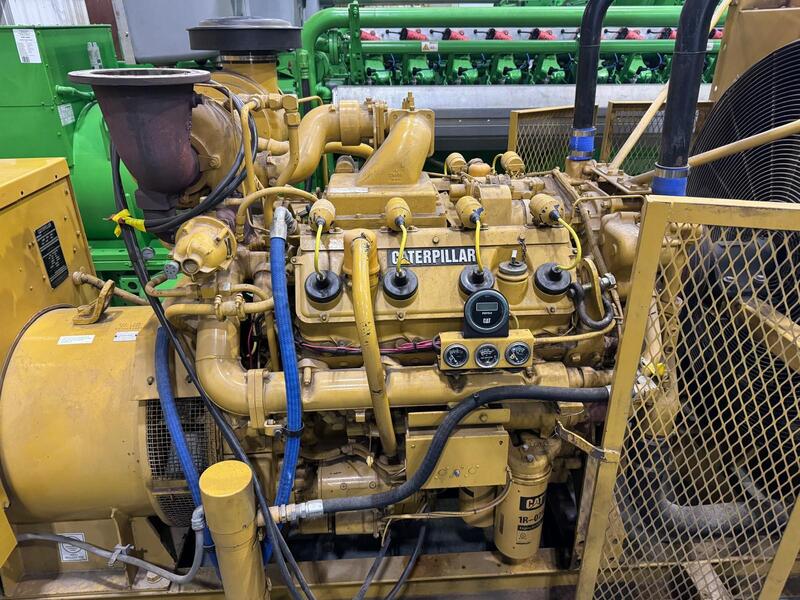
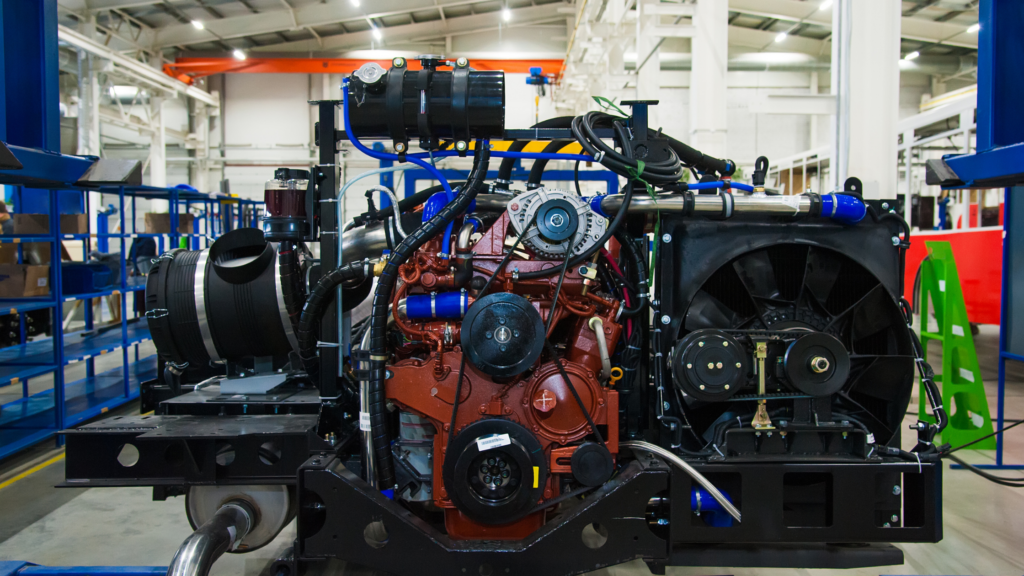
Diesel engines remain the backbone of industrial and heavy equipment applications in 2026, especially where reliability and torque matter most.
Diesel engines deliver high torque at low RPM, which is critical for heavy loads, material handling, and continuous-duty operations. They are built for durability, tolerate harsh environments well, and benefit from widespread fuel availability and mature service networks.
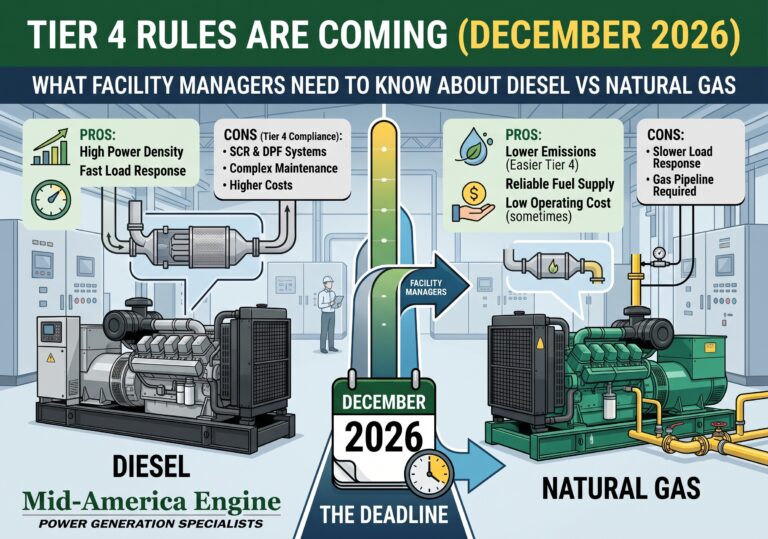
The trade-off is emissions complexity. Modern Tier 4 Final diesel engines rely on advanced aftertreatment systems, which add heat, maintenance requirements, and the need for proper duty cycles. However, these systems are now well-understood and reliable when engines are correctly matched to the application.
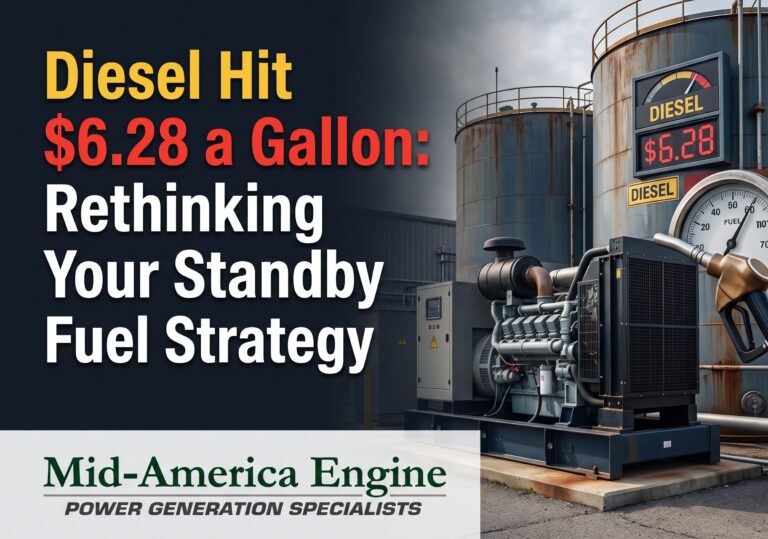
Diesel remains the best option for construction equipment, mining operations, industrial generators, and remote sites where electric infrastructure is limited or nonexistent.
Gasoline Engines: Practical for the Right Use Case
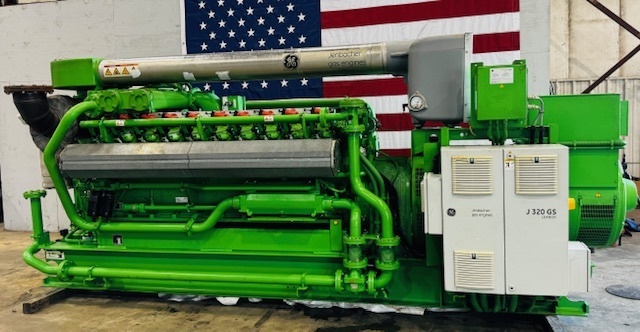
Gasoline engines continue to play a role in industrial applications, but only where their limitations are understood upfront.
They typically cost less upfront, are lighter, and use simpler emissions systems compared to diesel. Gasoline engines are easier to install and maintain for light-to-medium duty applications and intermittent use.
However, gasoline engines produce less torque, consume more fuel under heavy load, and are not ideal for continuous or high-stress operations. In 2026, they make sense for portable equipment, backup systems with limited runtime, and applications where load demands are moderate.
Gasoline works best when flexibility and lower initial cost matter more than maximum durability.
Alternative Power Engines: Growing Fast, Still Use-Case Specific
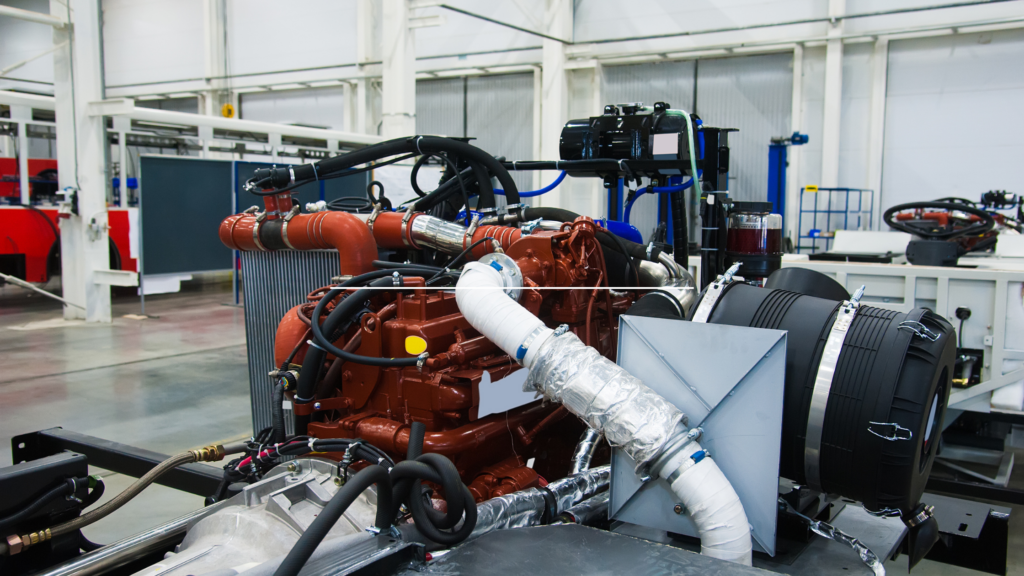
Alternative power includes electric, hybrid, hydrogen, and biofuel-capable engines. These technologies are advancing quickly, but they are not universally practical yet.
Electric Power
Electric engines offer zero on-site emissions, low noise, and fewer moving parts, which reduces routine maintenance. They are ideal for indoor, urban, or regulated environments where emissions and noise restrictions are strict.
Their limitations are runtime, charging infrastructure, and battery cost. For long shifts, heavy loads, or remote locations, electric power can introduce operational risk if charging access is limited.
Hybrid Systems
Hybrids combine combustion engines with electric assistance. They reduce fuel consumption and emissions while maintaining flexibility and runtime. The downside is higher upfront cost and system complexity.
Hybrids work well for mixed-duty cycles where loads fluctuate and electric assist can meaningfully reduce fuel use.
Hydrogen and Alternative Fuels
Hydrogen fuel cells and alternative fuels show long-term promise, especially for sustainability-focused operations. In 2026, their adoption is still constrained by limited infrastructure, higher costs, and availability challenges. Most deployments remain pilot or niche use cases.
How to Decide Based on Real-World Use
For heavy construction, mining, and continuous industrial workloads, diesel remains the most reliable and cost-effective choice.
For indoor facilities, warehouses, and urban operations with grid access, electric or hybrid systems often provide compliance and operating advantages.
For light-duty or portable equipment with intermittent use, gasoline can still be practical.
For companies with aggressive sustainability mandates, alternative power options may make sense, but only where infrastructure and duty cycles support them.
The best choice is rarely about trends. It’s about matching the engine to how the equipment actually runs.
Cost Factors That Actually Matter
Upfront price is only part of the equation. Long-term fuel cost, maintenance frequency, downtime risk, compliance penalties, and resale value matter far more over the life of the engine.
Diesel typically delivers the lowest cost per unit of work for heavy-duty applications. Electric can reduce operating costs significantly in controlled environments. Hybrid and alternative systems depend heavily on utilization and infrastructure readiness.
A proper total cost of ownership analysis should be based on operating hours, load profile, fuel price volatility, and service access.
Why Mid-America Engine Is Better for Your Business
Choosing the right power technology is only effective when paired with the right engine partner. Mid-America Engine focuses on real-world application matching, not pushing one technology over another.
Their team evaluates your equipment, duty cycle, operating environment, and compliance requirements before recommending diesel, gas, or alternative power solutions. That means fewer performance issues, smoother compliance, and lower long-term operating costs.
With strong parts availability, documented build standards, and practical support, Mid-America Engine helps businesses choose engines that work reliably in 2026 and beyond.
Frequently Asked Questions
Is diesel still relevant in 2026?
Yes. Diesel remains the most practical choice for heavy-duty, continuous-load, and remote industrial applications.
Can electric engines fully replace diesel today?
Not for most field-based heavy equipment. Electric works best where runtime and charging access are predictable.
Are hybrids worth the higher upfront cost?
They can be, especially for mixed-duty cycles where fuel savings offset the initial investment.
Does gasoline still make sense for industrial use?
Yes, for light-duty, intermittent, or portable applications with lower torque requirements.
How do emissions regulations affect engine choice?
They push adoption of cleaner technologies, but engines must still match real operating conditions to avoid downtime and failures.
What is the biggest mistake businesses make when choosing engines?
Selecting based on trends or upfront price instead of duty cycle and total cost of ownership.
Are hydrogen engines ready for widespread use?
Not yet. Infrastructure and cost barriers limit mainstream adoption in 2026.
Which engine type has the lowest maintenance needs?
Electric systems have fewer moving parts, but diesel remains the most durable under heavy load.
How does engine choice impact resale value?
Engines with strong support, proper documentation, and compliant emissions retain higher value.
Who should help evaluate engine options?
An experienced engine supplier who understands real-world industrial applications, not just specifications.