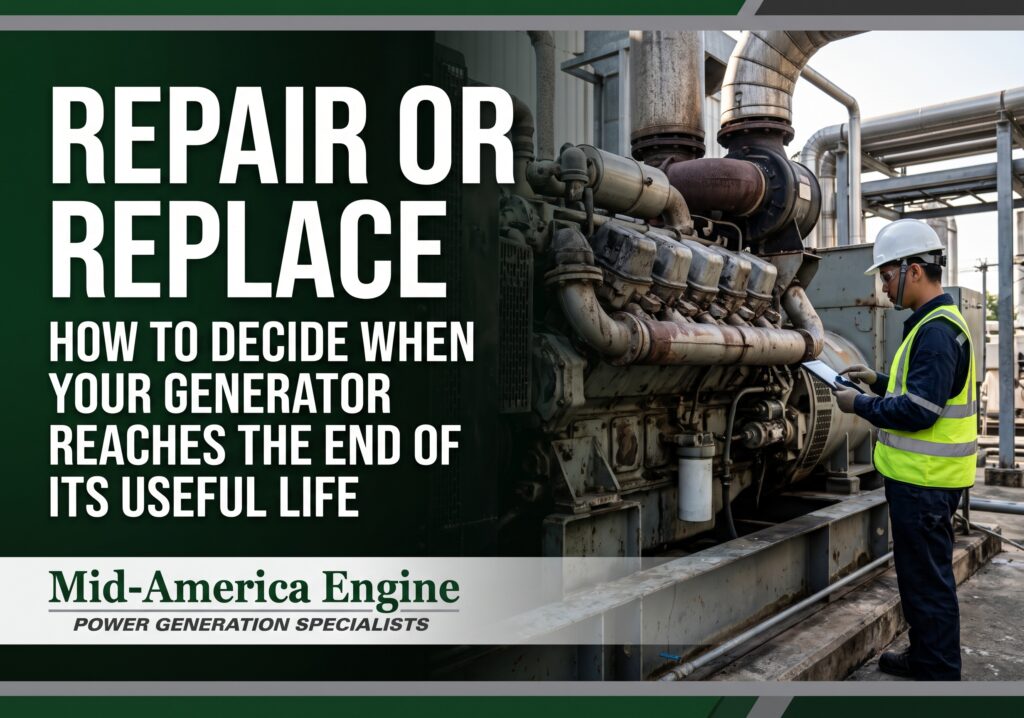
When an industrial generator needs another repair, age is an easy number to focus on. It is not, by itself, a sound reason to replace the unit.
Many generator problems are the result of deferred maintenance, not a machine simply reaching a birthday. A properly maintained diesel generator can operate well beyond 20 years. Hours, load profile, service history, parts support, and the condition of the complete standby power system tell you more than the calendar does.
Start with the practical question: What is actually wrong with the generator, and what will it take to keep the system dependable?
When repair is still the right call
Repair is often the sensible path when a failure is limited, the equipment is otherwise in sound condition, and parts and qualified service are available. A single failed component does not automatically make a generator obsolete.
Repair may be appropriate when:
- One component has failed and replacement parts are available.
- The engine and alternator remain in good condition.
- A controller upgrade can resolve the issue on an otherwise reliable machine.
- Fuel-system or cooling-system work addresses a defined fault.
- The unit’s maintenance and test records support continued service.
A generator that has been maintained consistently and performs properly under load may have useful service life left, even if it needs corrective work. A maintenance plan built around the entire emergency power system can help establish what condition the unit is actually in, not just what it looks like during a brief start.
If the generator is undersized for a facility’s new load, compare the cost and technical fit of adding capacity against replacing it. Growth alone does not prove the existing unit has failed. It does mean the facility should reassess the load, starting requirements, and system configuration before spending on a repair that does not solve the capacity problem.
Signals that can justify replacement
Replacement becomes more compelling when the problem is systemic, recurring, or difficult to support, not simply because the generator is old.
Look closely at these indicators:
- The same failure keeps returning after a correct repair. Repeat faults can point to an unresolved root cause or deterioration across related systems.
- Parts are no longer reliably obtainable. Check support for the engine, alternator, and controller. Legacy controllers can become the deciding factor if replacement boards or compatible upgrades are unavailable.
- The enclosure or subbase tank is compromised. Significant corrosion, structural damage, or fuel-system integrity concerns can make continued operation a safety and reliability issue.
- The facility’s load now exceeds the unit’s rating. Repeated overloads, poor load acceptance, or operational compromises warrant a new load review.
- Permitting requirements cannot be met. A mechanically sound generator may still be unsuitable if the applicable permit requires emissions performance the unit cannot provide.
- The system depends on load shedding the facility cannot sustain. If critical operations cannot tolerate the required sequence of dropped loads, the configuration may no longer fit the application.
A controller retrofit or other upgrade may still be possible. But compare its cost, availability, schedule, and expected support life against replacement. A workaround that leaves the facility dependent on hard-to-source components may not restore dependable power.
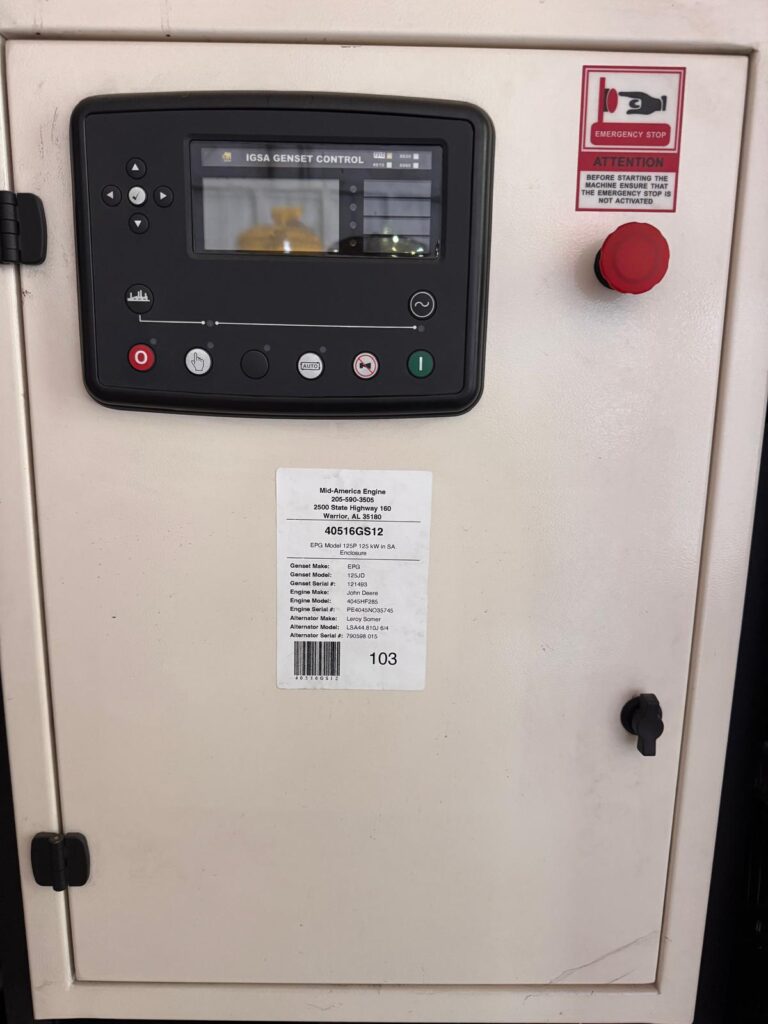
Compare the full decision, not just the latest invoice
Avoid making the decision by comparing a new repair estimate with last year’s repair bill. The more useful comparison is the cost of the repair path against the replacement path over the remaining service life.
For example, three repairs at $12,000 each over four years add up to $36,000. That is an illustrative figure, not a vendor estimate. It should prompt a review of what those repairs addressed, whether failures are becoming more frequent, what additional work is foreseeable, and how much dependable service the unit is likely to provide.
The reverse is also true: a series of repairs does not automatically mean replacement is the better value. If those repairs addressed isolated problems, parts remain available, and the generator is performing reliably, continued repair may still be the lower-risk choice.
Include more than equipment price in the comparison:
- Repair or replacement equipment and labor
- Parts availability and delivery schedule
- Testing, commissioning, and any required upgrades
- Temporary rental or other continuity measures
- Expected maintenance needs and supportability
- The operational consequences of a failed start or extended outage
The aim is not to apply a universal cost threshold. It is to compare realistic options over the period the facility needs dependable service.
A replacement is a system project
A new generator has to work with the facility around it. Before selecting a replacement, verify:
- Automatic transfer switch (ATS) compatibility and required switching sequence
- Voltage, phase, frequency, and electrical connections
- Generator rating against the actual load and motor-starting requirements
- Pad, access route, rigging, and the new unit’s footprint
- Fuel storage, supply, and delivery arrangements
- Exhaust, ventilation, and clearance requirements
- Applicable permits and emissions documentation
- Commissioning and testing plan
Replacing only the generator without reviewing these interfaces can leave the facility with the same operating compromises. A right-sized unit may reduce reliance on ATS limitations or load-shedding arrangements that no longer match the operation, but only after engineering confirms the loads and system design.
Mid-America Engine supports generator repairs, maintenance, load-bank testing, installation, and commissioning. The scope should reflect the system and site, not assume that every replacement needs the same work.
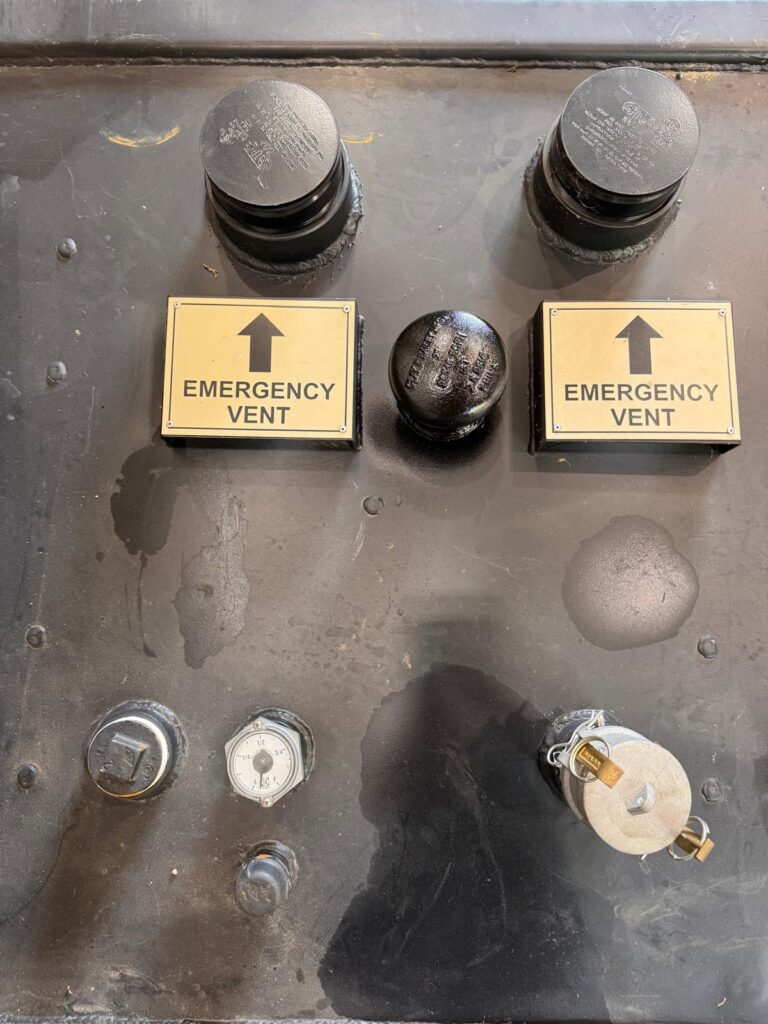
Plan for lead times and compare equipment paths
A factory order for a new generator can take many months, depending on configuration and market conditions. The 42-week figure discussed in Mid-America Engine’s lead-time guide is a planning reference for some configurations, not a universal promise or schedule.
If an aging unit is becoming unreliable, do not wait for an outage to start evaluating replacements. Used, new surplus, and new equipment are all legitimate options, with different tradeoffs:
- Used: May be available sooner, but requires careful review of hours, service history, condition, testing, emissions, and parts support.
- New surplus: Can offer a middle ground between a factory order and previously operated equipment. Confirm its history, documentation, warranty status, and suitability for the application.
- New: Offers a current build configuration and may be the best fit for project-specific requirements, but lead time and site integration must be planned.
Availability alone does not establish suitability. Review the equipment’s electrical configuration, condition, controls, emissions, and required installation work before making a decision. Explore available generator sets and parts and accessories as part of that review.
Account for emissions rules where they apply
For covered Illinois data center projects, permit applications submitted on or after December 1, 2026, require Tier 4 or Tier 4-equivalent emissions performance for new or modified emergency generators. Existing generators that are already permitted are not affected simply by this deadline.
This is one input to a replacement decision, not a universal requirement to replace aging generators. Confirm whether the project and equipment are covered with the permitting team before selecting a unit. Mid-America Engine’s overview of Illinois SB 0025 and the December 2026 deadline provides additional context.
Make the decision on evidence
Build the decision around documented condition and the facility’s actual needs:
- Identify the fault and confirm its root cause.
- Review operating hours, load profile, maintenance history, and test results.
- Verify parts availability for the engine, alternator, and controller.
- Compare repair and replacement costs over the expected service period.
- Check fit with the ATS, electrical system, fuel supply, site, and permitting.
- Account for procurement lead time and any temporary power requirements.
A qualified assessment may show that a repair is sufficient. It may also show that recurring faults, obsolete controls, inadequate capacity, or compliance requirements make replacement the more dependable choice.
Mid-America Engine has more than 40 years of experience providing industrial power solutions. We will recommend repair when repair is right, and replacement when replacement is right, because that is the only recommendation worth trusting.
For an engineering-driven review of your generator and replacement options, contact Mid-America Engine.
Frequently asked questions
How long can an industrial diesel generator last?
A properly maintained diesel generator can operate well beyond 20 years. Actual useful life depends on operating hours, load profile, maintenance, operating conditions, and parts support, not age alone.
What are the clearest signs that a generator may need replacement?
Recurring failures after proper repairs, unavailable critical parts, compromised enclosure or tank condition, inadequate capacity, and permit requirements the unit cannot meet are strong reasons to evaluate replacement.
Should I replace a generator after several expensive repairs?
Not automatically. Compare the full repair path and expected remaining service life with replacement, including parts lead times and operational risk. The number and pattern of failures matter as much as the accumulated repair cost.
Can I replace only the generator and keep the existing ATS?
Possibly, but compatibility must be verified. Check electrical ratings, controls, transfer sequence, protection, and the facility’s load requirements as part of the replacement design.
Does Illinois SB 0025 require every existing data center generator to be replaced?
No. For covered data center projects, the stated December 1, 2026, deadline applies to permit applications for new or modified emergency generators. Existing already-permitted units are not affected simply because the deadline arrives. Confirm applicability with the permitting team.